





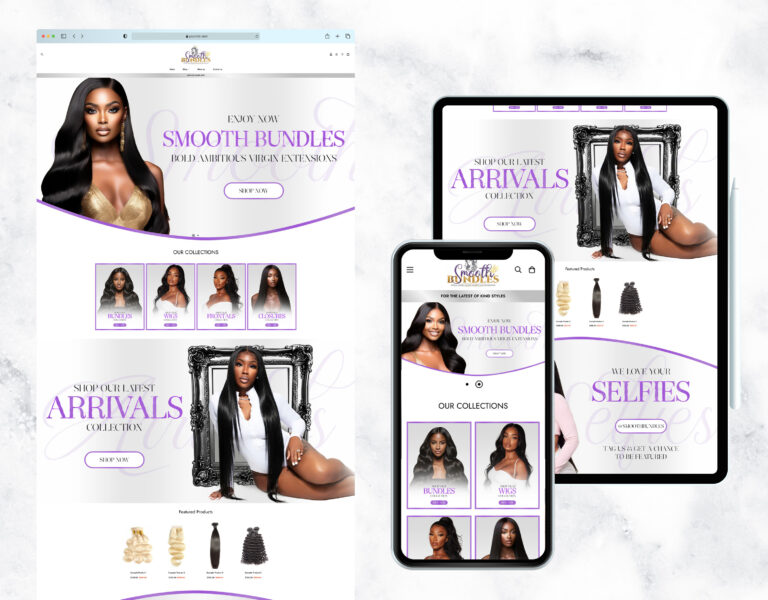
When deciding on a platform to build your business website, two names likely come up repeatedly: WordPress and Shopify. Both are immensely popular, but they cater to slightly different needs. In this post, we’ll explore the key differences, pros and cons, and ultimately, which one may be better suited for your long-term goals.
What Is Shopify?
Shopify is a fully hosted eCommerce platform designed to help users build online stores with ease. It includes everything from web hosting to payment integration, making it a streamlined solution for selling products online. Shopify is ideal for business owners who want a hassle-free setup and dedicated eCommerce tools.
What Is WordPress?
WordPress, specifically the self-hosted version from WordPress.org, is an open-source content management system. Unlike Shopify, WordPress is not just for eCommerce—it can be used for blogs, portfolios, corporate websites, and much more. With plugins like WooCommerce, WordPress can easily transform into a powerful online store.
Key Comparisons
1. Flexibility and Customization
WordPress: Offers unmatched customization with thousands of themes and plugins. You can build any type of site you want and modify it endlessly.
Shopify: Great for standard online stores but limited in terms of deep customization unless you use Liquid (Shopify’s templating language).
2. Cost Structure
WordPress: Free to use, but you’ll need a hosting provider (starting around $50/year) and optional premium themes/plugins.
Shopify: Subscription-based, starting at $39/month, with extra fees for apps and some payment gateways.
3. Ownership and Control
WordPress: You own your site completely, including files, database, and design.
Shopify: You’re bound to Shopify’s servers and terms. Moving your site or data can be challenging.
4. SEO and Blogging
WordPress: Designed originally as a blogging platform, it offers superior SEO capabilities and tools like Yoast SEO.
Shopify: Includes basic SEO features, but blogging tools are minimal compared to WordPress.
5. Scalability
WordPress: Scales easily as your business grows, especially with plugins like WooCommerce, membership systems, and multilingual support.
Shopify: Scales well for retail and eCommerce but is restrictive for content-heavy or non-store websites.
Conclusion
Shopify is excellent if you need to launch a simple online store quickly, but WordPress is the clear winner for long-term business websites. With more control, better SEO tools, lower costs, and nearly infinite customization, WordPress offers a smarter and more sustainable option for most entrepreneurs.


