



Start Dropshipping on Shopify in 2025: Your Complete Guide to Online Success
How To Dropship on Shopify (2025): Your Ultimate Guide to E-commerce Success
The allure of e-commerce is undeniable. Imagine running a thriving online business from anywhere in the world, without ever touching inventory or dealing with shipping logistics. This dream is not only possible but increasingly accessible, especially as we look towards 2025. The secret? Dropshipping, powered by the robust capabilities of Shopify.
Dropshipping has revolutionized the retail landscape by allowing entrepreneurs to sell products without needing to stock them. When a customer places an order, you simply purchase the item from a third-party supplier, who then ships it directly to the customer. This model minimizes upfront investment, reduces risk, and offers unparalleled flexibility. And when paired with Shopify, the world’s leading e-commerce platform, you have a potent combination for success.
By 2025, the e-commerce landscape will be even more competitive and sophisticated. Standing out won’t just be about having good products; it will be about building a strong brand, offering exceptional customer experiences, and leveraging data-driven strategies. This comprehensive guide will walk you through the essential steps to launch and scale a successful dropshipping business on Shopify, preparing you for the opportunities and challenges of the future.
Laying the Foundation: Niche Selection and Product Research
Before you even think about setting up a store, the most crucial step is to identify your niche and pinpoint winning products. This isn’t just about finding something popular; it’s about finding a market segment you can serve uniquely and profitably.
A good niche is often a sweet spot between high demand, low competition, and genuine interest from your side. Think about:
- Passions and Hobbies: What are you genuinely interested in? Your enthusiasm can translate into authentic marketing.
- Problem-Solving Products: Products that solve a specific pain point often have loyal customers.
- Emerging Trends: Tools like Google Trends, social media platforms (TikTok, Instagram), and trend-spotting websites can reveal what’s gaining traction.
- Evergreen Demand: Look for products that have consistent demand year-round, not just seasonal spikes.
Once you have a potential niche, dive deep into product research. Don’t just pick one product; aim for a curated collection. Consider products that:
- Are difficult to find locally or in big-box stores.
- Have a strong “wow” factor or solve a clear problem.
- Are lightweight and easy to ship (reduces shipping costs and potential damage).
- Offer a healthy profit margin after supplier costs and marketing expenses.
- Can be bundled or up-sold to increase average order value.
Tip for 2025: Focus on sustainability and ethical sourcing within your niche. Consumers are increasingly conscious, and highlighting these aspects can be a significant differentiator.
Building Your Digital Storefront: Shopify Setup Essentials
With your niche and product ideas in hand, it’s time to build your online home on Shopify. Shopify simplifies the complex process of creating an e-commerce website, allowing you to focus on your business, not coding.
- Sign Up for Shopify: Start with their free trial. This gives you ample time to set up your store before committing financially.
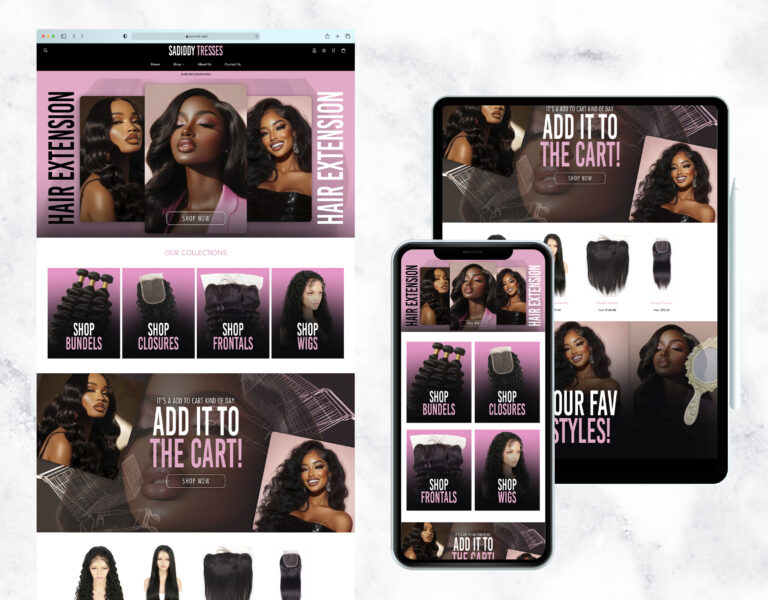
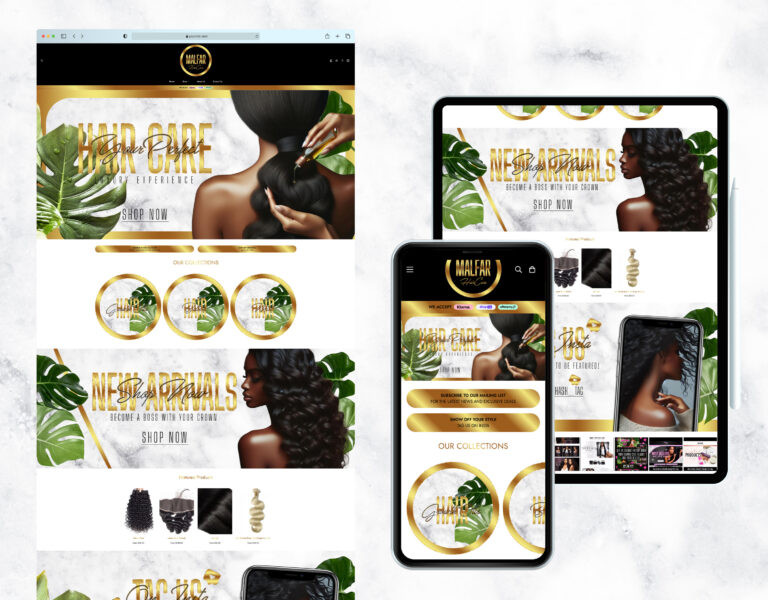
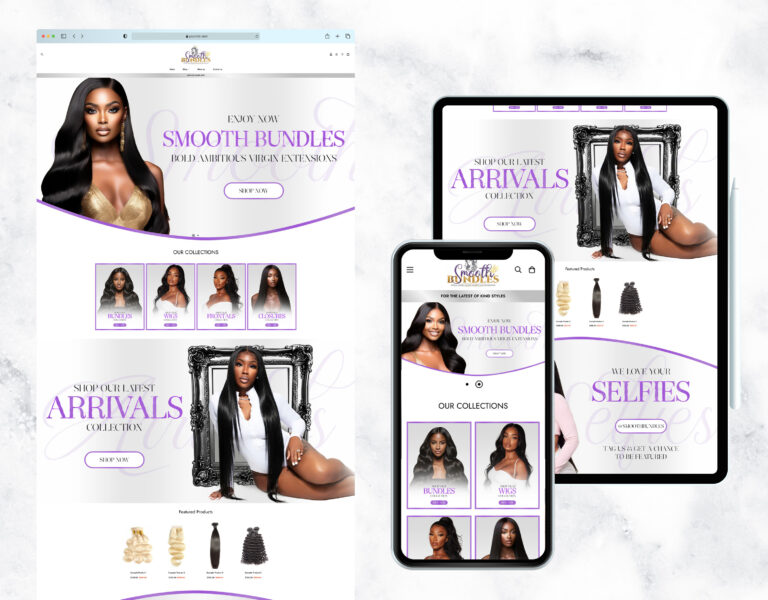
- Choose Your Theme: Shopify offers a variety of free and paid themes. Select one that aligns with your brand’s aesthetic and is mobile-responsive. A clean, intuitive design is paramount for user experience. Customization is easy, allowing you to tweak colors, fonts, and layouts to match your brand.
- Brand Your Store: Your brand identity is crucial. This includes your store name, logo, color palette, and overall tone of voice. A cohesive brand builds trust and recognition. Invest time in creating compelling product descriptions that highlight benefits, not just features.
- Set Up Essential Pages: Beyond your product pages, you’ll need:
- About Us: Tell your brand story and build a connection.
- Contact Us: Provide clear ways for customers to reach you.
- FAQ Page: Address common questions about shipping, returns, and product usage.
- Shipping Policy: Be transparent about delivery times and costs.
- Return/Refund Policy: Clearly outline your policies to build customer confidence.
- Configure Settings: Set up your payment gateways (Shopify Payments, PayPal, etc.), shipping zones (where you’ll ship to and at what cost), and tax settings. Ensure your currency is correctly displayed for your target audience.
Tip for 2025: Prioritize a seamless mobile experience. A majority of online shopping now happens on smartphones, so your store must look and function flawlessly on smaller screens.
Sourcing Success: Finding Reliable Suppliers and Products
The backbone of any successful dropshipping business is reliable suppliers. Your supplier directly impacts product quality, shipping times, and customer satisfaction, so choose wisely.
Several platforms facilitate dropshipping on Shopify:
- DSers (formerly Oberlo): This app integrates directly with Shopify and allows you to easily import products from AliExpress, manage orders, and track shipments. It’s user-friendly and excellent for beginners.
- Spocket: Focuses on suppliers from the US and Europe, often leading to faster shipping times and higher product quality, though prices might be slightly higher.
- SaleHoo & Worldwide Brands: Directories that connect you with a vast network of verified dropshipping suppliers, offering a wider range of products.
- Custom Sourcing: For unique products, you might directly contact manufacturers or wholesalers, especially as you scale.
When evaluating suppliers, consider these critical factors:
- Product Quality: Always order samples of your potential products to personally inspect their quality. Do not skip this step.
- Shipping Times: Be transparent with customers about realistic shipping estimates. Faster shipping is a competitive advantage.
- Communication: A responsive supplier is invaluable when issues arise.
- Return Policy: Understand their return and refund procedures.
- Pricing: Ensure their pricing allows for a healthy profit margin after all costs.
- Reliability: Look for suppliers with consistent positive reviews and a track record of fulfilling orders accurately.
Example: If you’re selling custom pet accessories, finding a supplier who can consistently provide high-quality, durable materials and timely customization is far more important than saving a few cents on a lower-grade alternative. Your brand reputation depends on it.
Driving Traffic and Conversions: Marketing Strategies for 2025
Having a beautiful store and great products means nothing if no one knows about them. Effective marketing is key to driving traffic and converting visitors into paying customers. In 2025, a multi-channel approach is more important than ever.
- Paid Advertising:
- Facebook/Instagram Ads: Leverage their powerful targeting capabilities to reach specific demographics, interests, and behaviors. Focus on compelling visuals and clear calls to action.
- Google Ads: Target users actively searching for products like yours. Google Shopping Ads are particularly effective for e-commerce.
- TikTok Ads: For younger demographics and trending products, TikTok offers immense viral potential.
- Search Engine Optimization (SEO): Optimize your product titles, descriptions, and blog content with relevant keywords to rank higher in Google searches. A strong SEO strategy builds organic, free traffic over time.
- Social Media Marketing: Build a strong presence on platforms where your target audience hangs out. Share engaging content, behind-the-scenes glimpses, user-generated content, and run contests. Instagram and Pinterest are visual goldmines for product-focused businesses.
- Email Marketing: Build an email list from day one. Use email to welcome new subscribers, recover abandoned carts, announce new products, and offer exclusive promotions. Automated email flows are highly effective for nurturing leads and driving repeat purchases.
- Influencer Marketing: Collaborate with micro-influencers (those with smaller but highly engaged audiences) in your niche. Their authenticity often resonates more with followers.
- Content Marketing: Create blog posts, videos, or guides related to your niche. This positions you as an expert, drives organic traffic, and provides valuable content to share on social media.
Tip for 2025: Personalization is paramount. Leverage data to offer tailored product recommendations and marketing messages. Additionally, prioritize video content – it’s highly engaging and performs exceptionally well across all platforms.
Optimizing and Scaling: Beyond the First Sale
Your journey doesn’t end with a sale; it begins with it. To build a sustainable dropshipping business in 2025, you need to continuously optimize, analyze, and scale.
- Analyze Your Data: Shopify’s analytics, Google Analytics, and your ad platform dashboards provide invaluable insights. Track key metrics like:
- Conversion Rate: Percentage of visitors who make a purchase.
- Average Order Value (AOV): The average amount customers spend per order.
- Customer Acquisition Cost (CAC): How much it costs to acquire a new customer.
- Return on Ad Spend (ROAS): The revenue generated for every dollar spent on ads.
- Customer Lifetime Value (CLV): The total revenue you expect from a customer over their relationship with your business.
Use this data to identify what’s working, what’s not, and where to allocate your resources.
- Exceptional Customer Service: This is your ultimate differentiator. Respond promptly to inquiries, handle disputes professionally, and go the extra mile. A happy customer is a repeat customer and a powerful brand advocate. Implement chatbots for instant answers to common questions.
- Optimize Your Store: Regularly review your website for speed, broken links, clear calls to action, and an intuitive user experience. A/B test different product images, descriptions, and checkout flows to improve conversions.
- Scale Your Product Offerings: Once you find winning products, explore complementary items, expand into new variations, or even launch new product lines within your niche.
- Explore New Markets: If you’re successful domestically, consider expanding internationally, leveraging Shopify’s multi-currency and language features.
- Automation and Outsourcing: As your business grows, automate repetitive tasks (email marketing, order fulfillment notifications) and consider outsourcing customer service or ad management to free up your time.
Tip for 2025: Implement remarketing campaigns aggressively. Most visitors won’t buy on their first visit. Remind them of your products through targeted ads and email sequences.
Conclusion
Dropshipping on Shopify in 2025 presents an incredible opportunity for entrepreneurs willing to put in the work. It’s no longer just about finding a hot product and running a few ads; it’s about building a legitimate, trustworthy brand that resonates with customers and provides real value.
By carefully selecting your niche, crafting an engaging store, partnering with reliable suppliers, executing smart marketing strategies, and continuously optimizing your operations, you can create a highly profitable and sustainable e-commerce business. The journey requires dedication, continuous learning, and adaptability, but the rewards—financial independence, creative freedom, and the satisfaction of building something of your own—are truly immense. Start building your future today, one drop at a time.
Idea inspired by: Original article


