

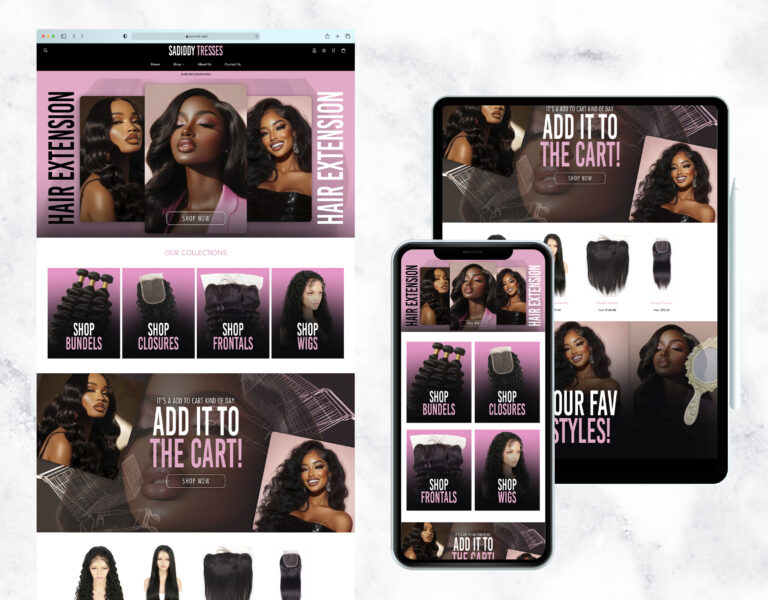


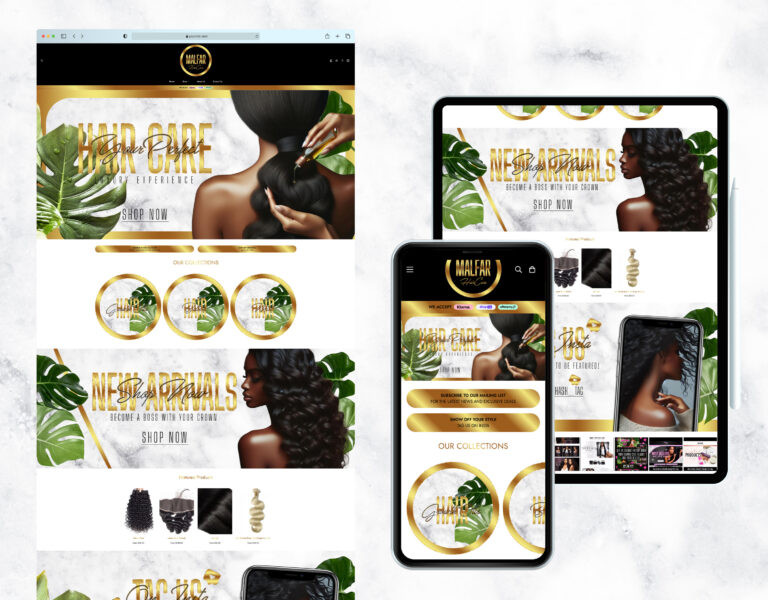
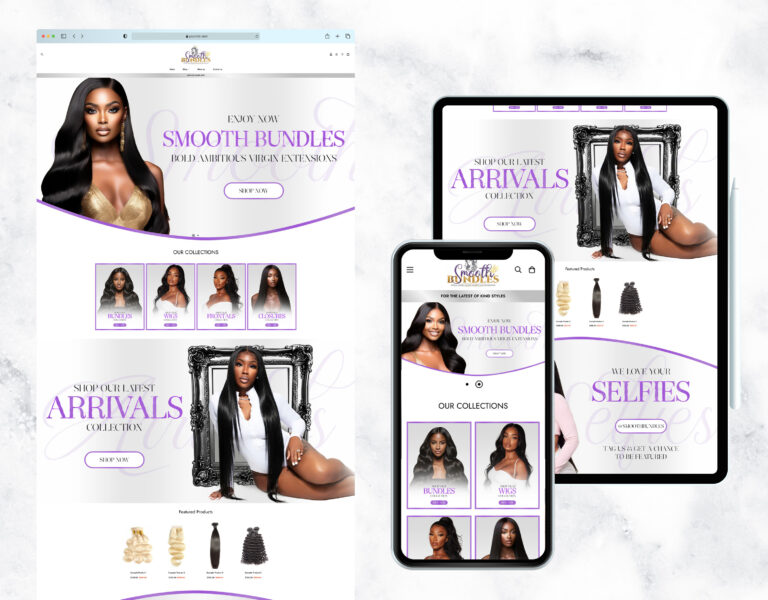
Choosing the right platform for your website or online store is one of the most important decisions you’ll make. Shopify, Wix, and WordPress are three of the most popular options, but they cater to very different needs. This guide breaks down their key features, pricing, flexibility, and ideal use cases to help you pick the right one.
Ease of Use
Wix: Extremely beginner-friendly with its drag-and-drop interface. Ideal for quick setups and users with no technical background.
Shopify: Also easy to use, especially for eCommerce, with a guided setup and built-in tools for managing products, inventory, and payments.
WordPress: Slight learning curve, especially if self-hosted, but offers the most freedom and scalability once you’re familiar with the system.
Design and Customization
Wix: Offers a wide selection of stylish templates, but customization is limited once a theme is chosen.
Shopify: Good selection of themes, with deeper customization possible if you understand Liquid (Shopify’s templating language).
WordPress: Nearly unlimited design freedom. Thousands of themes and plugins allow for endless customization with full access to code if needed.
eCommerce Features
Shopify: Purpose-built for eCommerce with everything you need out of the box, including payment integration, shipping, and analytics.
Wix: Has eCommerce tools, but they are more basic. Best for small shops or personal sales.
WordPress: With WooCommerce, WordPress becomes a full-featured eCommerce platform with flexibility rivaling Shopify.
Pricing
Wix: Starts at around $16/month for a basic website, more for business and eCommerce plans.
Shopify: Starts at $39/month, plus transaction fees and costs for additional apps.
WordPress: Free software, with hosting starting as low as $50/year. You pay for what you use—plugins, themes, or premium support as needed.
SEO and Blogging
Wix: Basic blogging and SEO tools. Adequate for small sites, but lacks advanced customization.
Shopify: Blog functionality exists but is not a strong point. SEO tools are present but not as robust as WordPress.
WordPress: Originally built as a blogging platform, it remains the best for content-rich websites and SEO optimization.
Best For:
- Wix: Beginners building small, simple websites or portfolios.
- Shopify: Dedicated eCommerce businesses needing a turnkey solution.
- WordPress: Anyone wanting full control, customization, and scalability—from blogs to complex business sites.
Conclusion
All three platforms have their strengths, but if you’re looking for long-term value, flexibility, and full ownership, WordPress stands out as the most powerful and versatile choice. It may take a bit more setup, but the payoff is worth it for anyone serious about building an online presence.


