
Ecommerce in 2025: Your Shopify Startup Guide
How to Start an Ecommerce Business in 2025 – Shopify
\n\n
So, you’re thinking about diving into the world of ecommerce in 2025? Excellent choice! The online marketplace is constantly evolving, presenting incredible opportunities for entrepreneurs like you. And when it comes to platforms that empower these businesses, Shopify continues to be a leading contender. This guide will walk you through the essential steps to launch your own successful Shopify store, keeping in mind the anticipated trends and nuances of 2025.
\n\n
1. Niche Down and Validate Your Idea
\n\n
Forget the \”build it and they will come\” mentality. In 2025, the online world is saturated. Success hinges on finding a specific niche and validating your idea before investing heavily. Ask yourself:
\n\n
- \n
- What problem are you solving? A successful product or service addresses a real need or desire.
- Who is your target audience? Be specific! \”Women aged 25-35 interested in fitness\” is better than \”everyone.\”
- Is there a demand? Use tools like Google Trends, keyword research tools (SEMrush, Ahrefs), and social listening to gauge interest.
- What’s the competition like? Analyze your competitors. What are they doing well? Where are they failing? How can you differentiate yourself?
\n
\n
\n
\n
\n\n
Example: Instead of selling generic clothing, consider focusing on sustainable activewear for plus-size women. This niche is more defined, addresses a specific need (stylish, eco-friendly workout clothes for a specific body type), and allows for targeted marketing efforts.
\n\n
Tip: Don’t be afraid to survey potential customers or run small-scale tests (e.g., a landing page with a product description and a \”pre-order\” button) to gauge interest before committing to significant inventory.
\n\n
2. Craft a Brand That Resonates
\n\n
Your brand is more than just a logo; it’s the entire experience you create for your customers. In 2025, authenticity and transparency are paramount. Customers are savvy and want to connect with brands that share their values.
\n\n
Consider these elements:
\n\n
- \n
- Brand Name: Memorable, easy to pronounce, and relevant to your niche.
- Logo and Visual Identity: Professional, consistent across all platforms, and reflective of your brand’s personality.
- Brand Story: Why did you start this business? What are your values? Share your passion with your audience.
- Voice and Tone: How do you communicate with your customers? Formal? Casual? Humorous? Maintain consistency.
\n
\n
\n
\n
\n\n
Example: If you’re selling ethically sourced coffee, your brand story might focus on your commitment to fair trade practices and supporting coffee farmers. Your visual identity could incorporate earthy tones and imagery related to coffee cultivation. Your tone of voice might be warm, friendly, and informative.
\n\n
3. Build Your Shopify Store
\n\n
Shopify makes it relatively easy to set up an online store, even if you don’t have extensive technical skills. Here’s a breakdown of the key steps:
\n\n
- \n
- Sign Up for a Shopify Plan: Choose a plan that fits your needs and budget. Shopify offers various plans with different features and pricing.
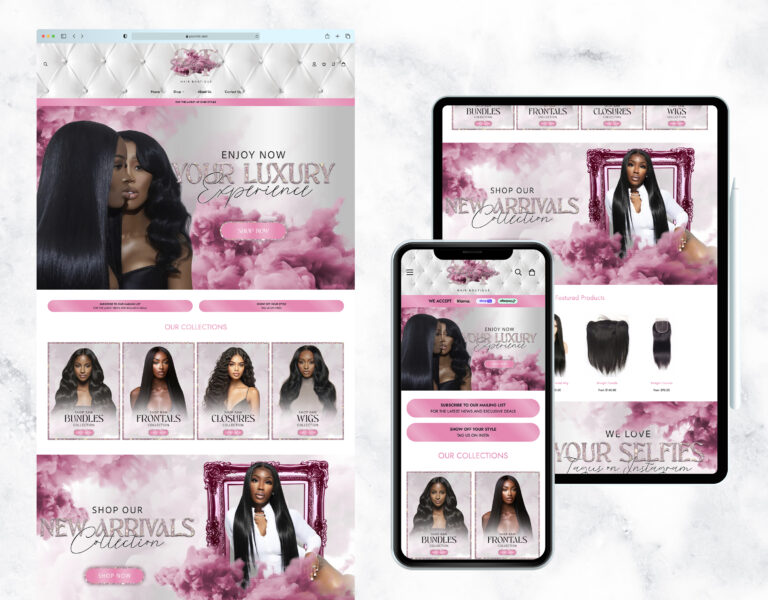
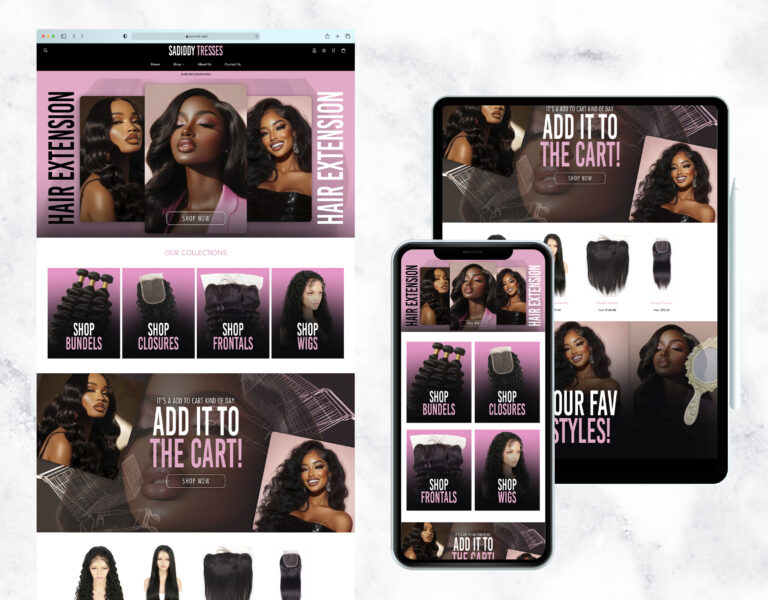
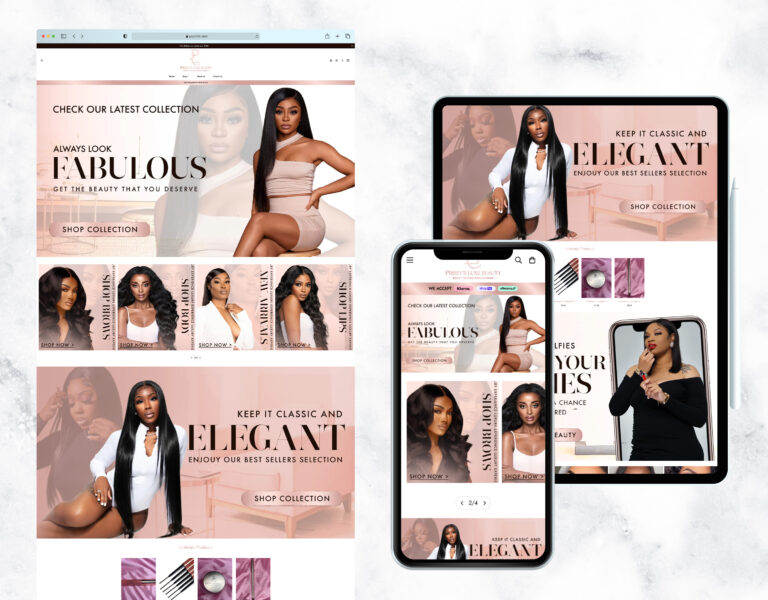
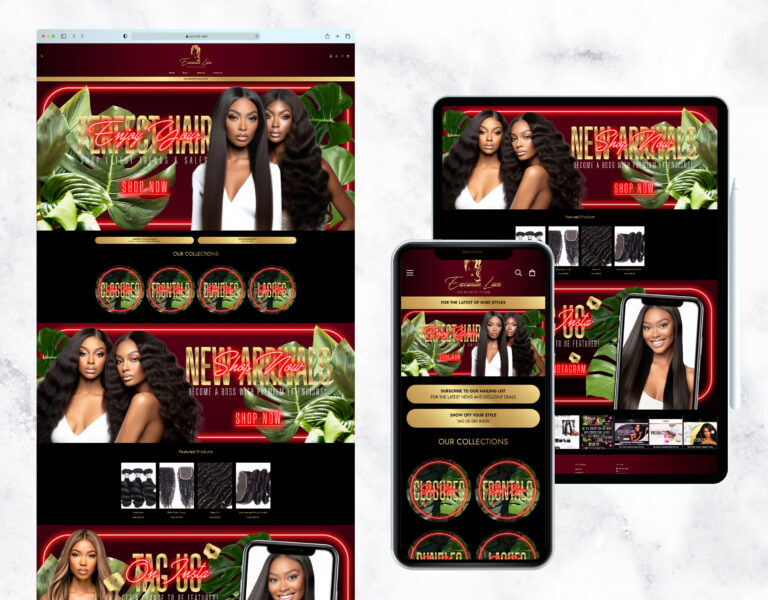
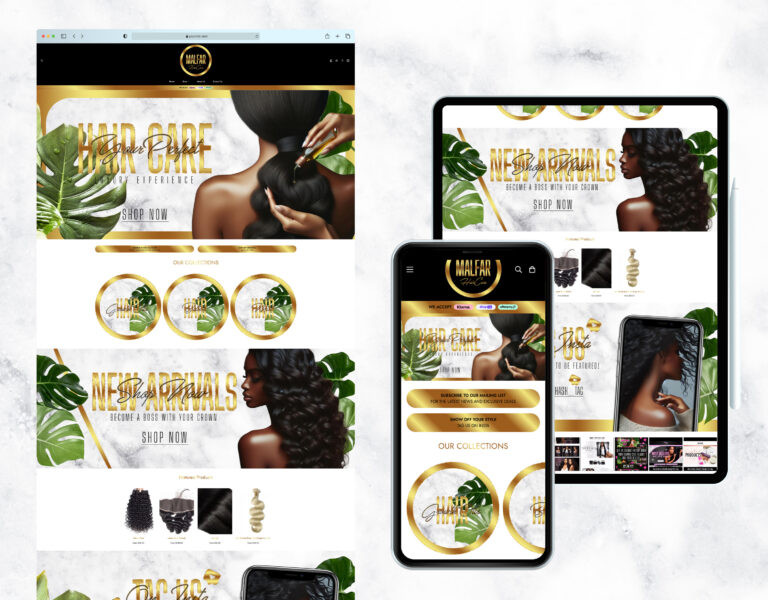
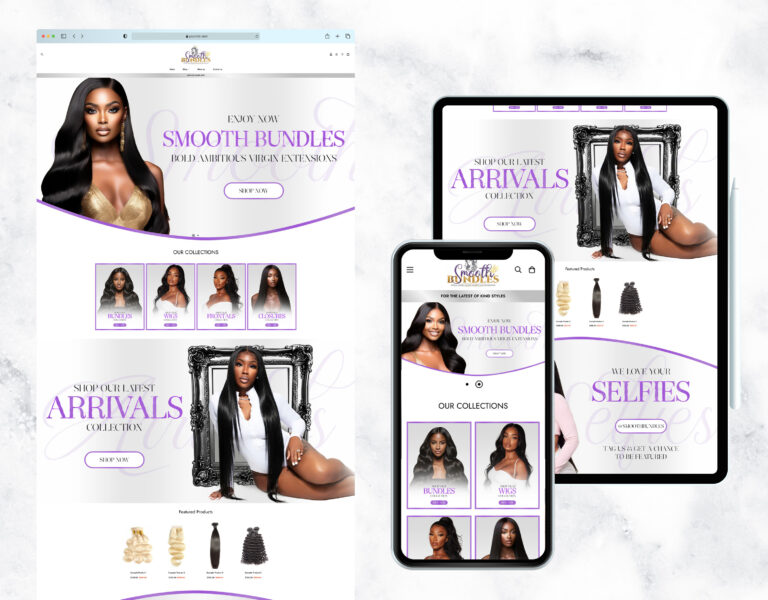
- Choose a Theme: Select a visually appealing and mobile-responsive theme that aligns with your brand. Shopify offers both free and paid themes.
- Customize Your Theme: Add your logo, brand colors, and adjust the layout to create a unique look and feel.
- Add Products: Write compelling product descriptions, upload high-quality images, and set your prices.
- Set Up Payment Gateways: Integrate with payment processors like Shopify Payments, PayPal, or Stripe to accept payments securely.
- Configure Shipping Settings: Define your shipping rates, shipping zones, and fulfillment methods.
- Set Up Essential Pages: Create pages like \”About Us,\” \”Contact Us,\” \”Privacy Policy,\” and \”Terms of Service.\”
\n
\n
\n
\n
\n
\n
\n
\n\n
Tip: Focus on creating a user-friendly experience. Make it easy for customers to find what they’re looking for, add items to their cart, and complete the checkout process. Mobile optimization is crucial – ensure your store looks great on smartphones and tablets.
\n\n
4. Market Your Store and Attract Customers
\n\n
Having a beautiful store is useless if no one knows it exists. Effective marketing is essential for driving traffic and generating sales. Here are some strategies to consider for 2025:
\n\n
- \n
- Search Engine Optimization (SEO): Optimize your store and product pages for relevant keywords to improve your search engine rankings.
- Social Media Marketing: Build a strong presence on social media platforms relevant to your target audience. Share engaging content, run contests, and interact with your followers. Consider using platforms like TikTok and Instagram Reels for short-form video content.
- Paid Advertising: Run targeted ads on Google, Facebook, and Instagram to reach a wider audience.
- Email Marketing: Build an email list and send out regular newsletters, promotions, and product updates.
- Influencer Marketing: Partner with relevant influencers to promote your products to their followers.
- Content Marketing: Create valuable and informative content (blog posts, videos, infographics) that attracts and engages your target audience.
\n
\n
\n
\n
\n
\n
\n\n
Example: If you’re selling organic skincare products, you could create blog posts about skincare tips for sensitive skin, videos demonstrating how to use your products, and infographics comparing your ingredients to those used in conventional skincare. You could also partner with beauty influencers who promote natural and sustainable beauty brands.
\n\n
5. Focus on Customer Experience and Retention
\n\n
Acquiring new customers is more expensive than retaining existing ones. Focus on providing exceptional customer service and building long-term relationships.
\n\n
- \n
- Provide Excellent Customer Support: Respond promptly to customer inquiries, address their concerns effectively, and go the extra mile to resolve issues.
- Personalize the Customer Experience: Use customer data to personalize your marketing messages, product recommendations, and website content.
- Offer Loyalty Programs: Reward your loyal customers with exclusive discounts, early access to new products, and other perks.
- Gather Feedback and Iterate: Regularly solicit feedback from your customers and use it to improve your products, services, and overall customer experience.
- Build a Community: Create a forum or social media group where customers can connect with each other and share their experiences with your brand.
\n
\n
\n
\n
\n
\n\n
Tip: In 2025, anticipate increased demand for personalized shopping experiences driven by AI. Consider how you can leverage data and technology to create tailored product recommendations, targeted promotions, and personalized customer service interactions.
\n\n
Conclusion
\n\n
Starting an ecommerce business in 2025 requires careful planning, a strong brand, and a relentless focus on customer experience. By niching down, validating your idea, building a user-friendly Shopify store, implementing effective marketing strategies, and prioritizing customer retention, you can increase your chances of success in the competitive online marketplace. Embrace the evolving trends and technologies, and you’ll be well on your way to building a thriving ecommerce business.
\n\n
Idea inspired by: Original article


